
A tale of three cities
A new book by Carol Camp Yeakey, the Marshall S. Snow Professor of Arts & Sciences and a member of the SPH secondary faculty, takes a look at gentrification in London, New York and Seoul, and its impact on communities, including the psychic wounds created when families are displaced.
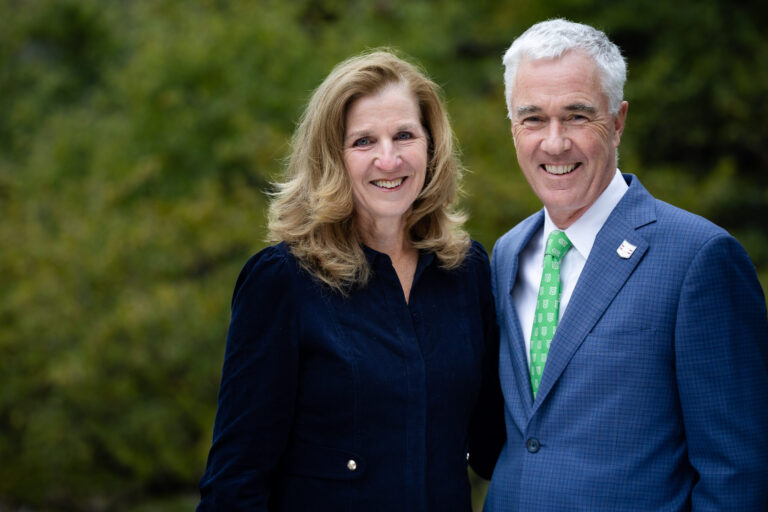
Accelerating real-world impact in public health
WashU launches Ryan Institute for Interdisciplinary Health Solutions in the School of Public Health.

Inexpensive materials transform waste carbon into energy-rich compounds
Turning waste carbon into useful products is a vital part of sustainable manufacturing. McKelvey Engineering’s Feng Jiao, a member of the SPH secondary faculty, has developed an alternative pathway to recycling waste carbon that boosts compatibility with renewable energy.

Toolkit aims to aid disclosure of gender-based violence
Disclosure allows survivors to access support services, but many are reluctant to share painful experiences
One man’s story of survival meets new ideas on preventing gun violence
There is a body of research that can inform and reduce the burden of firearm injury, says WashU Public Health Dean Sandro Galea.
Worker well-being across generations
The Brown School’s Cal Halvorsen, a member of the SPH secondary faculty, speaks on the benefits of creating a cohesive, multigenerational workforce.
Closed-door MAHA summit offers a glimpse into the administration’s evolving health priorities
WashU Public Health Dean Sandro Galea warns that the administration’s turn toward alternative medicine risks sidelining science in federal health policy.
As the US suspends visas, an in-depth look at the global Afghan refugee crisis
WashU Public Health’s Jean-Francois Trani and the Brown School’s Mitra Naseh, a member of the SPH secondary faculty, write that Afghan migrants seeking safety confront a litany of restrictions.

The changing landscape of disease on a warming planet
SPHERE convening to address intertwined issues of emerging diseases, climate change
Missourians brace for health insurance premium spikes with federal subsidies set to expire
An analysis led by WashU Public Health’s Tim McBride shows that tax credits passed in 2021 led to a rapid increase in the number of Missourians enrolled in marketplace plans.